
Have you ever wondered what the word Senpai means? Have you also wondered what Kouhai means? What is the relationship between these two Japanese words? You have probably heard some anime character calling another by these names. To answer your question, let's investigate the meaning and the relationship between these two words.
The words Senpai and Kouhai mark status and hierarchy inside a shared group. They often come with affection and appreciation, as a way of naming the person who entered earlier or later than you. There is no one-word English match, but the pair can be explained.
Contents 15
The meaning of Senpai
Senpai [先輩] is the equivalent of the Western idea of a veteran or tutor. This word is often used to refer to a more experienced person, a mentor, or a senior in the same school, club, or workplace. It is a respectful term for someone years ahead in school, a graduate of the same group, or a colleague who joined first.

The word SEN-PAI [先-輩] combines the ideogram SEN [先], which conveys the idea of before, ahead, precedence, front, and first, with PAI [輩], which conveys comrade, companion, and person. Literally, a companion who went ahead of you.
In Japanese, a person should never refer to themselves as "senpai," nor should they chase after this title like some chase after the title of veteran or scout. Being a "senpai" means being recognized by others; it is an honorific that must be earned.
Veterans also do not put their title on business cards the way doctors do in the West, nor do they usually force others to call them senpai. This respect is earned and can only be recognized by others. The treatment of senpai is similar to the treatment of sensei (master, teacher), but is one level below, and you do not need to be teaching anything.
The meaning of Kouhai
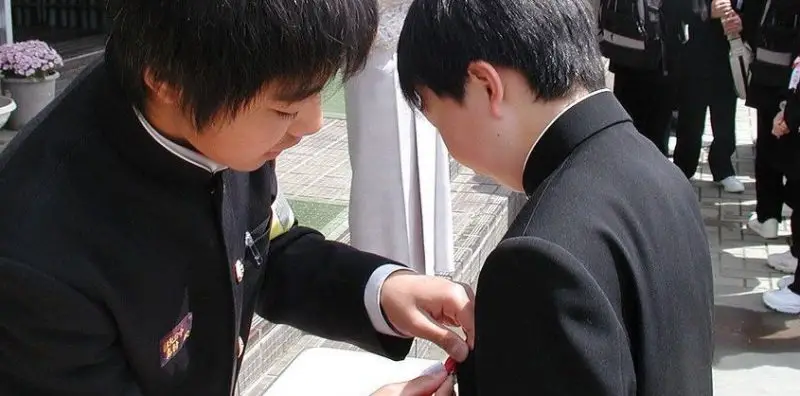
Kouhai [後輩] is basically the opposite of senpai, a generic equivalent to freshman in the West. Other meanings and ideas that the word conveys are junior and younger people. The ideogram [後] conveys the idea of behind, after, remainder, successor, and heir. The word also has the ideogram [輩], but it is pronounced HAI.
Simply put, Senpai is used to refer to a more experienced person, a mentor or senior. Kouhai is a younger, novice, or inexperienced person in the same group. The pair usually names a working relationship, often without any sting.
If you have talked to or made friends with any veteran, you automatically became a Kouhai and should call them Senpai as a sign of respect. Skipping that address can sound as if you are ignoring the relationship. Senpai, for their part, rarely call someone Kouhai to their face; they usually use the name or a nickname.
Senpai slang: what does Paisen mean?
There is a slang that practically inverts the mora of Senpai. The slang is Paisen [パイセン] and still means senior. It is backslang, a playful flip of the word rather than a new rank.
Although Paisen is an informal word, it can be used when you are very close to the Senpai; they will often take it affectionately. It is a cute, fun, and casual twist, but it is still good to be careful when using it with someone you barely know.
In Kansai comedy, the manzai performer Katsuya Yano of Yano-Hyodo is widely nicknamed Paisen.
Using the words Senpai and Kouhai
Senpai works as a suffix after a name, in the same family as san, kun, and chan. People also use Senpai on its own, without mentioning the name beforehand. Kouhai names the junior in the relationship; it is rarely attached to a name as an address.
Generally, a Senpai addresses a Kouhai with their name or surname followed by the suffix -kun regardless of gender. Similarly, a Kouhai addresses a Senpai by their name with the suffix Senpai or San.

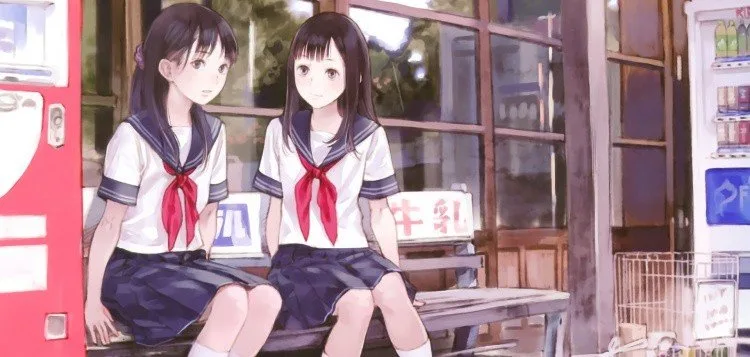
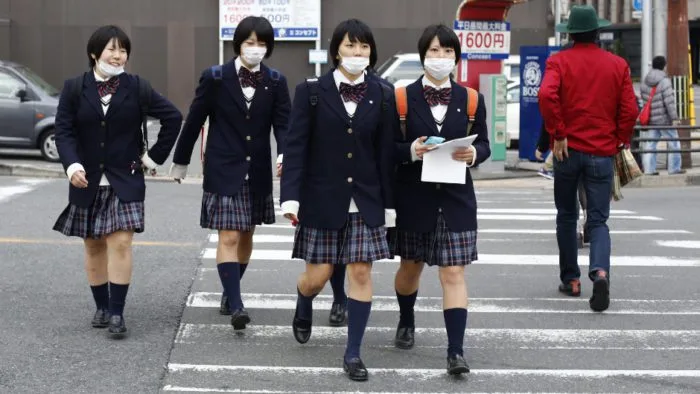
Normally, age is not the only line between these treatments. Those who entered school in the first year are considered kōhai to those in the second and third years, which is why the bond is so visible in Japanese schools. There is often a lasting friendship between Kouhai and Senpai, which can continue even after leaving school or an organization.
In jobs, a person who has been there longer than you is considered Senpai, no matter if they arrived just a day earlier; you will still be the Kouhai. The concept is simple; it only becomes complicated when strange circumstances occur, such as failing a year or leaving work and coming back later.
Some people write Sempai because the n sound in senpai often assimilates before p. That spelling shows up in English too; senpai is the usual romanization. The junior is written kouhai, and some romanize it as kōhai with a long o.
The Relationship between Kouhai and Senpai
The Senpai must show compassion, listening and putting themselves in the Kouhai's shoes, exploring their thoughts and feelings. Many have felt the relief resulting from talking to someone who is willing to listen to them. Senpai must have the perception that Kouhai at certain moments need help and must create the right conditions to talk. They need to be available whenever necessary.
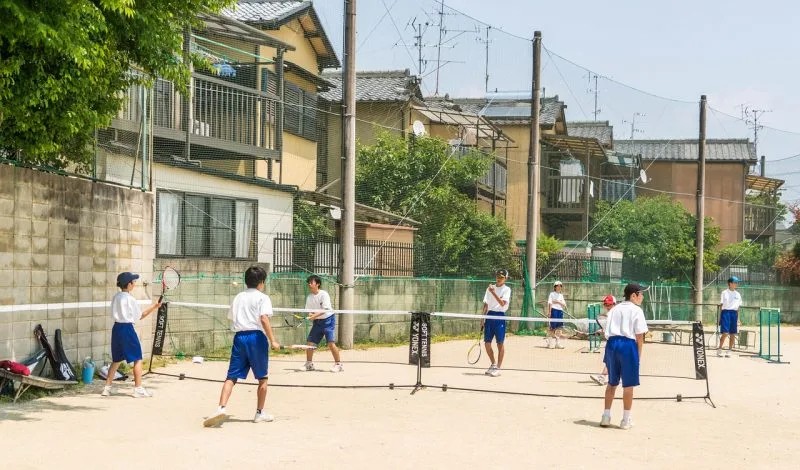
In Japanese sports clubs, such as baseball teams, Kouhai usually perform various household tasks for the Senpai, including washing clothes and cleaning. The Kouhai cannot participate in all club activities until they gain some experience.

In Japanese martial arts, senpai often names more experienced students, including those already wearing a black belt in arts that use that ranking. They are chosen to help the sensei with younger or less experienced students.
If you are used to watching dramas and animes, you must have noticed the relationship between them or noticed several times students referring to older ones as Senpai. Some, when they become veterans, feel proud and satisfied, and do their best to help the newcomers.
Unfortunately, there are many cases where veterans do not fulfill their roles and act in an ignorant and despicable manner, offending Kouhai and people of lower levels, where ijime (bullying) can also occur. Such people are unlikely to be called by the honorific or receive special treatment.

The Love between Senpai and Kouhai
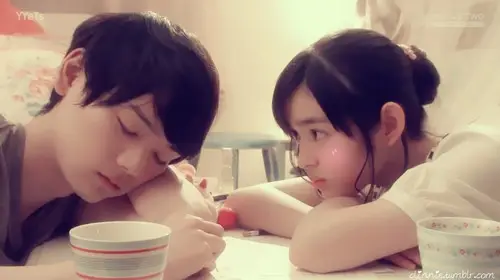
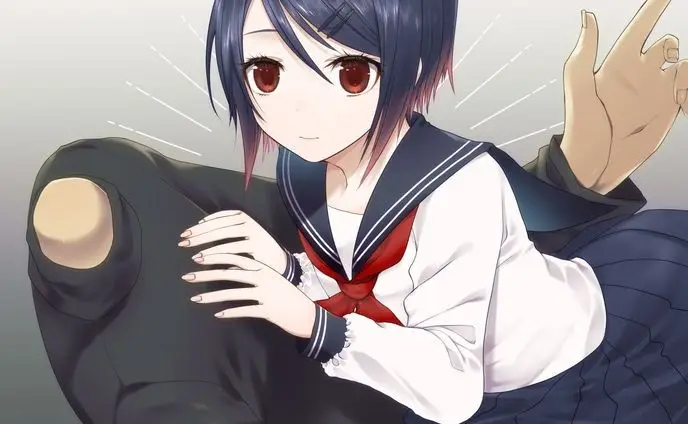
It is common for young students to fall in love with their Senpai; this has given the word a crush-like flavor in fandom. This has even led to memes like "Notice Me Senpai," which means observe me or notice me, an expression that also originated from animes and mangas. This expression indicates the need for approval that many people have from older or superior members of the group.
A crush can stay distant and imagined. Senpai, here, is someone you already share a school or club with, so there is a bit of intimacy and you know the person. They take care of the Kouhai in a way that they end up falling in love. Being one step below can make a relationship feel out of reach, and the suffering is even greater when the kouhai still wants to be seen.
Senpai and Kouhai in Animes and Mangas
Most people who landed on this article have probably heard the word Senpai and Kouhai through animes and mangas. This happens because most animes take place in school, where these two treatments are commonly used. The same pair also shows up around masters, work, or other corners of life that keep a senior and a junior in the same group.
Below we will leave a list of animes and mangas that portray the relationship between Senpai and Kouhai, although most school animes do this:
- Gekkan Shoujo Nozaki-kun - A great example of how not to be noticed;
- Accel World - An action anime that portrays a bit of the subject;
- Itazura na Kiss! - A beautiful romantic comedy;
If you want to play something related, we recommend Yandere Simulator! But be careful, it is quite macabre!
There are numerous cases and ways to describe the relationship between Senpai and Kōhai. At the end of this article, we will provide a longer list of animes that show the same bond.

Seonbae and Hubae: Senpai in Korean
Seonbae [선배] comes from the same etymology as Senpai, almost a synonym. It refers to a mentor or someone who attends the same school as you but has a higher ranking, like a veteran in relation to a freshman. The same seniority shows up beside other Korean address forms such as oppa.
When "Seonbae" is applied to taekwondo, the form "Koryo" has a floor pattern that traces the "Hanja" character for "Seonbae"; in this context, the term "Seonbae" refers to a class of civic officials from ancient Korea.
Hubae [후배] is the equivalent of Kouhai, used to refer to freshmen and juniors. Normally, people in senior and junior relationships call each other Seonbaenim [선배님] and Hubaenim [후배님], where the nim is a Korean honorific suffix, as in the wider set of Korean honorifics.
Senpai x Kouhai: Hierarchy
This hierarchy is common in countries shaped by Confucian teaching, such as Japan and Korea. Veterans have enormous social power over the newcomers, who are the vast majority. Social norms are ideologically justified in this case.
Senpai have powerful social power over Kouhai in Japan and Korea. In speech, seniors may use casual Japanese while expecting polite language back, and they can ask for a show of obedience.
In some cases, the senior is implicitly recognized within the group as having the right to order something from the junior. Some even take advantage of this power to make freshmen buy things, without any hint of love and empathy.
The power of Senpai varies depending on each club and school. In many bukatsu, first-year members fetch balls, clean the field, look after equipment, and sometimes wash older students' clothes. Freshmen have many more tasks than veterans.
Although the goal of this freshman and veteran hierarchy can be guidance, a good number of students ignore that side of it. Generally, in this case, freshmen tend to distance themselves from a certain Senpai.
Abuses of Senpai with Kouhai
Of course, there are cases where the freshman may feel overshadowed, harbor grudges, and later be forced to assume the position of "senpai" in social norms. No one is obliged to follow the hierarchy, but stepping outside it can still rattle the whole chain.
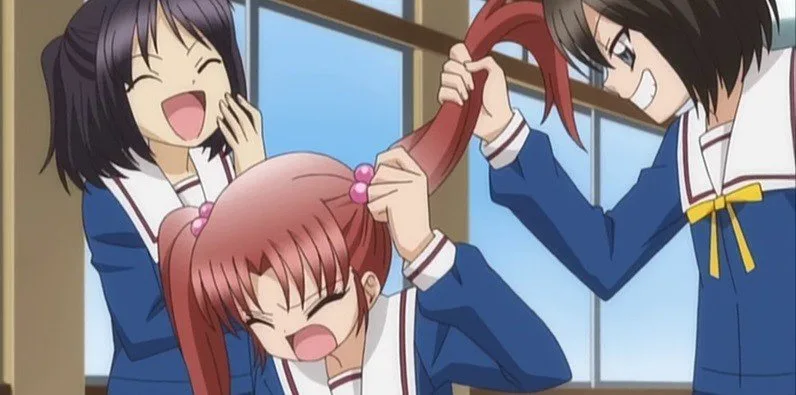
Those who criticize the system think it is arbitrary and unfair, that Senpai tend to be aggressive, and that the system results in shy or fearful students who are afraid to stand out. For example, some kōhai fear that if they surpass their Senpai in an activity, their Senpai will lose their prestige; some even force Kouhai to apologize.
Some take advantage of the abuse of power (power harassment) to make freshmen slaves. They use offensive language, force the freshman or subordinate to carry their luggage, do their schoolwork, and even use violence.
For this reason, Japan promotes the positive side of this Senpai-Kouhai hierarchy. People are encouraged to see freshmen as new friends who help each other in various ways, rather than as tools for use.
As mentioned, being a Senpai is a delicate and more complicated task than being a Kouhai freshman. Those who treat the pair as a license to push others usually pay for it later inside the same group.
History and Origin of Senpai and Kouhai
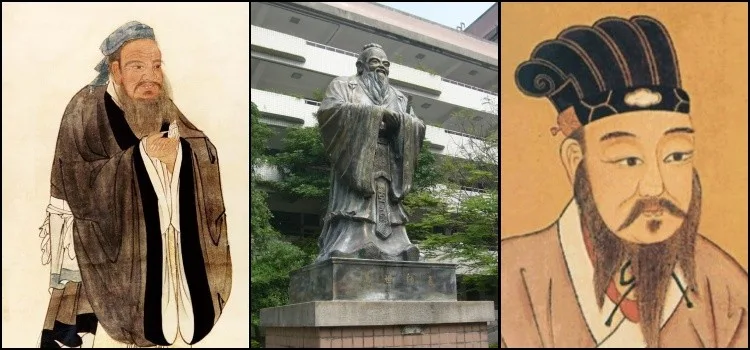
The Senpai-kōhai system is deeply rooted in Japanese history. Three elements had a significant impact on its development: Confucianism, the traditional Japanese family system, and the Civil Code of 1898.
Confucianism arrived from China between the 6th and 9th centuries, but the line of thought derived from it that brought profound social changes in Japan was Neo-Confucianism, which became the official doctrine of the Tokugawa shogunate (1603-1867).
The precepts of loyalty and filial piety dominated the Japanese at the time, as respect for elders and the worship of ancestors that Chinese Confucianism taught were well accepted by the Japanese, and these influences spread throughout daily life.
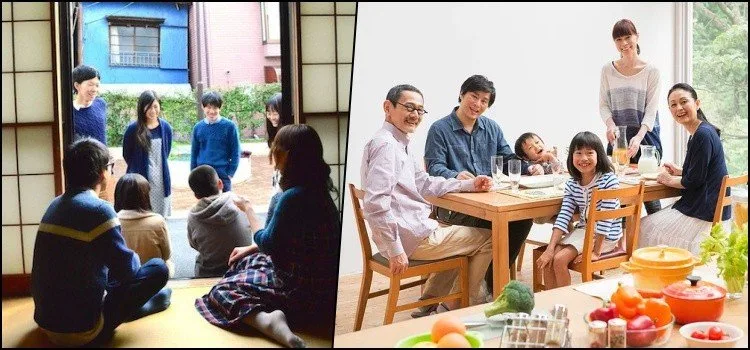
The Japanese family system (家 ie) was also regulated by Confucian codes of conduct and influenced the establishment of the senpai-kōhai relationship. In this family system, the father, as the male head, had absolute power over the family, and the eldest son inherited the family's property.
The father had power because he was the one who received education and was seen as having superior ethical knowledge. Since reverence for superiors was considered a virtue in Japanese society, the wife and children had to obey him.
Besides the hereditary system, only the eldest son could receive the father's belongings, and neither the eldest daughter nor the younger sons received anything from him.
The last factor that influenced the Senpai-kōhai system was the Civil Code of 1898, which strengthened the rules of seniority privilege and reinforced the traditional family system, giving clear definitions of hierarchical values in the family.
This was called Koshusei [戸主制], which means head of household system, in which the head of the family had the right to command their family, and the eldest son inherited this position. These statutes were abolished in 1947, after Japan's surrender at the end of World War II. However, these ideals remained in the following years as a psychological influence on Japanese society.
Animes about Senpai and Kouhai
In addition to those mentioned earlier, we want to conclude the article with a list of animes that show the relationship between Senpai and Kouhai:
Seishun Buta Yarou wa Bunny Girl-senpai no Yume wo Minai
Abnormal things due to problems in adolescence happen frequently in Sakuta Azusagawa's life; these events are called Puberty Syndrome.
His life changes when Mai Sakurajima, a famous actress, his Senpai in High School, starts dressing as a "Playboy Bunny" due to Puberty Syndrome.

Ijiranaide, Nagatoro-san
This anime tells the story of a girl named Nagatoro who is Kouhai to an extremely shy and antisocial student but bullies him; she is not a good example of a Kouhai.
This anime is very painful; the girl is extremely sadistic and temperamental, but for some reason, this anime is very successful and proves to be very fun.

List of Animes about Senpai and Kouhai
- Clannad
- Yagate kimi ni naru
- Ijiranaide, nagatoro san
- Uzaki-chan wa Asobitai
- Seitokaichou ni Chuukoku
- Ganbare, Douki-chan
- Magical Sempai
I hope this tour of the two words has made the relationship easier to spot the next time a character calls someone senpai. The pair is about who entered first; the feeling around it still depends on the people using it.






Community
Comments
0 comments
There are no published comments in this language yet.
Send comment